Professional floral installation methods for large corporate events
Posted on 03/10/2026
Large corporate events can look effortless from the guest side. The lobby is transformed, the stage feels polished, and the brand colours seem to have grown right out of the venue. But behind that smooth first impression sits a lot of planning, lifting, fixing, checking, re-checking. Professional floral installation methods for large corporate events are what make that transformation possible without chaos, damage, or a last-minute scramble at the loading bay.
If you are coordinating a conference, product launch, awards night, hospitality suite, or brand activation, the floral work is not just decoration. It affects sightlines, flow, photography, sponsor visibility, and sometimes even safety. In our experience, the best corporate floral installations are the ones people barely notice as "installed" at all. They just feel right.
This guide breaks down how the process works, what methods are used, what can go wrong, and how to plan with more confidence. You will also see where internal operations, venue rules, and UK best practice quietly matter more than people expect. Truth be told, that is usually where the difference between average and excellent sits.
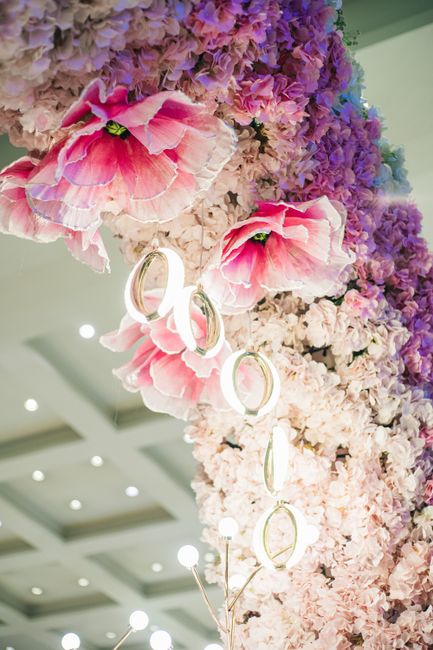
Why Professional floral installation methods for large corporate events Matters
Corporate events are high-pressure environments. There are fixed start times, venue access windows, AV teams moving on a schedule, and a dozen small details that can become big problems if one supplier runs late. Floral installations matter because they have to do more than look pretty. They need to arrive in good condition, fit the space properly, hold up for the duration of the event, and support the wider event design without getting in the way.
That sounds obvious, but it is where many projects slip. A bouquet delivered to an office desk is one thing. A five-metre branded entrance arch in a hotel lobby, with security guarding the lift and carpet protection underfoot, is another thing entirely. The stakes are different.
For corporate settings, florals often need to work across several functions at once:
- strengthening brand identity through colour, scale, and shape
- creating a welcoming arrival moment
- supporting photography and media backdrops
- softening hard architecture in glass, steel, and stone venues
- signposting key areas such as registration, stage zones, or sponsor stands
- withstanding long event hours, bright lighting, and warm indoor temperatures
There is also a trust factor. A well-installed floral scheme tells guests the event is organised and considered. A sloppy one, even if the flowers themselves are beautiful, can make the whole production feel rushed. And nobody wants the arrangement wobbling slightly while the keynote speaker is halfway through a sentence. Little things, big impression.
Expert summary: the best corporate floral installations are planned like event infrastructure, not treated like table decor. Once you think in terms of access, structure, timing, and finish, everything becomes easier to manage.
How Professional floral installation methods for large corporate events Works
Professional floral installation is a process of design, engineering, logistics, and finishing. The visible flowers are only the final layer. Before that, the installer has to understand the venue, the brief, the brand, the timings, and the physical realities of the space.
A typical workflow looks something like this:
- Briefing and concept development - the client explains the event purpose, audience, colours, themes, budget, and must-have areas.
- Site review - the florist or event floral team checks access, ceiling height, weight limits, power points, loading routes, and venue restrictions.
- Design specification - the team confirms sizes, mechanics, flower varieties, vessel choices, and installation method.
- Build and conditioning - flowers are sourced, hydrated, trimmed, and prepared for longevity.
- Transport planning - arrangements are packed for stability and timed to avoid heat damage or long exposure.
- On-site installation - the team assembles, secures, aligns, and polishes the display in the venue.
- Final checks and handover - the structure is checked for safety, symmetry, and presentation before doors open.
The installation method itself depends on the format. Some florals sit in place on plinths or tables. Others are suspended, clipped to structures, attached with discreet frames, or built into existing architectural features. For a corporate gala in central London, for example, you may need a compact build schedule, quiet work practices, and rapid set-up because venue access is short and other suppliers are already moving through the same space.
Professional installers also think in layers. The base may be an anchor structure or hidden frame. Then comes the mechanics that hold water or support stems. Then the visible design: flowers, foliage, colour flow, and finishing touches. It is a bit like backstage theatre. The audience sees the magic; the crew sees the brackets, fixings, and tape.
Common installation formats
- Table arrangements for guest dining, networking, and VIP areas
- Entrance pieces to build a strong first impression
- Stage florals to frame speakers or brand moments
- Feature installations such as arches, walls, suspended pieces, or sculptural displays
- Wayfinding florals that direct guests gently without looking like signage
Each format needs a different fixing strategy. A low table centrepiece is about balance and vase stability. A hanging installation is about structural support, venue permission, and load management. Same flowers, different game entirely.
Key Benefits and Practical Advantages
When floral installation is handled professionally, the benefits go far beyond beauty. That is the real value for large corporate events.
1. Better visual impact
Professional methods allow flowers to be scaled properly to the room. Small arrangements in a cavernous venue can disappear. Oversized pieces in a compact meeting room can feel clumsy. Good installation gets the proportions right, which is half the battle.
2. Stronger brand consistency
Corporate events often need to reflect brand colours, tone, and positioning. A disciplined installation makes sure the florals look aligned with the wider identity rather than like a separate, decorative afterthought.
3. Less risk of disruption
A secure installation is less likely to topple, leak, bruise, snag a guest's clothing, or interfere with AV kit. That matters more than people realise, especially when the event has a tight programme.
4. Better flower life
Correct conditioning, hydration, and timing help flowers last longer under event conditions. This is especially important when the display is built several hours before guests arrive or needs to stay looking fresh over two or three event days.
5. Faster, cleaner set-up
Experienced teams work methodically. They know what can be pre-built off-site, what needs final assembly on site, and how to keep the venue tidy. The result is less stress for the client, and usually fewer awkward "we'll just move this over there" moments.
6. More confidence for stakeholders
Event planners, brand managers, and venue teams all benefit when floral work is documented and installed professionally. It reduces uncertainty. And honestly, that calm feeling is worth a lot on event day.
| Installation priority | Why it matters | Typical risk if ignored |
|---|---|---|
| Structure | Keeps large pieces stable and secure | Movement, collapse, or venue damage |
| Timing | Protects freshness and fit for purpose | Wilting, staining, rushed finishing |
| Scale | Matches floral design to the venue | Weak visual impact or overcrowding |
| Access planning | Supports smooth delivery and build | Delays, blocked routes, missed install windows |
| Finishing | Creates a polished guest-facing result | Visible mechanics, loose stems, untidy edges |
Who This Is For and When It Makes Sense
Professional floral installation methods are not just for gala dinners or luxury brand launches. They are useful any time flowers must perform as part of a larger event experience.
This approach makes sense for:
- corporate conferences and summits
- award ceremonies
- product launches
- client hospitality events
- executive dinners and board receptions
- AGMs and shareholder events
- brand activations and experiential marketing
- annual celebrations and milestone occasions
It is especially relevant when the venue is large, the presentation matters, and the setup time is tight. If there is a stage, a press wall, a reception desk, and multiple guest areas, then floral work needs to be planned as part of the event architecture. Not just added at the end because "it would be nice to have some flowers". That approach tends to end badly. To be fair, most last-minute floral panic starts with good intentions.
There are also practical thresholds where the professional route becomes the sensible route:
- when the installation needs to be secured overhead or above head height
- when multiple arrangements must coordinate across several zones
- when the event runs for many hours and flowers must stay fresh
- when the venue has strict access, clean-up, or fire-safety rules
- when the brand wants a premium, photo-ready finish
If the event is small and straightforward, simple floral styling may be enough. But once the brief becomes spatial, branded, or technically tricky, professional installation methods stop being a luxury and start being the practical choice.
Step-by-Step Guidance
If you are planning a large corporate floral project, a clear process will save time and prevent avoidable mistakes. Here is the practical order we recommend.
1. Define the event outcome
Start with the purpose. Are the flowers meant to impress investors, soften a reception area, frame a stage, or create content for social media? Each goal affects scale, placement, and budget. It is much easier to plan when the job is specific.
2. Map the venue properly
Ask for floor plans, ceiling heights, access timings, loading bay details, lift dimensions, and any venue restrictions. If possible, visit the site. Standing in the room changes everything. Photos can be helpful, but they do not tell you how a six-foot arrangement feels under a low chandelier at 7:30am.
3. Choose the right installation method
Decide whether the display will be self-supporting, table-based, wall-mounted, suspended, or built into existing structures. For a branded entrance feature, a freestanding frame may be the safest and cleanest option. For a panel discussion stage, lower arrangements may preserve sightlines better.
4. Confirm mechanics and materials
Professional installations often rely on hidden mechanics such as floral foam alternatives, water sources, wire frames, clamps, zip ties, rigging points, and weighted bases. The choice depends on the design and the venue. The key is not the mechanic itself, but whether it is appropriate, stable, and discreet.
5. Schedule build and delivery carefully
Large event florals should be conditioned close to the installation date, then transported with enough buffer time to allow for delays. Late deliveries can unravel an entire schedule. Leave time for parking issues, security checks, lift waits, and the inevitable "just one more signature" at reception.
6. Install in the correct sequence
Most teams begin with the largest structural elements first, then move to medium features, then finish with detailing. That way the display can be adjusted as the design comes together. It is far easier to fix the framework before the delicate blooms go in.
7. Inspect, refine, and hand over
Before the event opens, inspect the piece from guest eye level. Check for symmetry, gaps, visible mechanics, leaning stems, water marks, and any petals that may have been damaged in transit. A one-minute tidy can improve the result more than you think.
Simple rule: if a guest can spot the fixings, the installation is not finished yet.
Expert Tips for Better Results
There are small choices that make a big difference in corporate floral installations. These are the sorts of details experienced teams tend to obsess over quietly.
- Design for the room, not the mood board alone. A concept can look great on paper and still fail if it blocks the stage screen or fights the venue lighting.
- Use hardier flowers where duration matters. Some blooms cope better with warm rooms, long holds, and repeated handling. In practice, this usually means planning for resilience first, then beauty.
- Think in sightlines. Guests, speakers, photographers, and AV technicians all need different views. Floral height should support the room, not dominate it accidentally.
- Keep a finishing kit on site. Scissors, tape, wipes, spare vessels, water, and a few replacement blooms can save the day. And yes, someone will need them.
- Use colour with intention. Corporate events often look sharper when colour is disciplined rather than overmixed. Neutral, brand-led, or seasonal palettes usually read more professionally.
- Allow for touch-up time. Flowers can shift during transport. A good install budget should include enough time to gently rework things on site.
- Protect the venue. Floors, lifts, walls, and furniture all need care. Carpet runners, covers, and clean working practices are not glamorous, but they matter.
One practical observation from event day: the quieter the floral team, the more confidence everyone else tends to have. Calm work often means competent work.
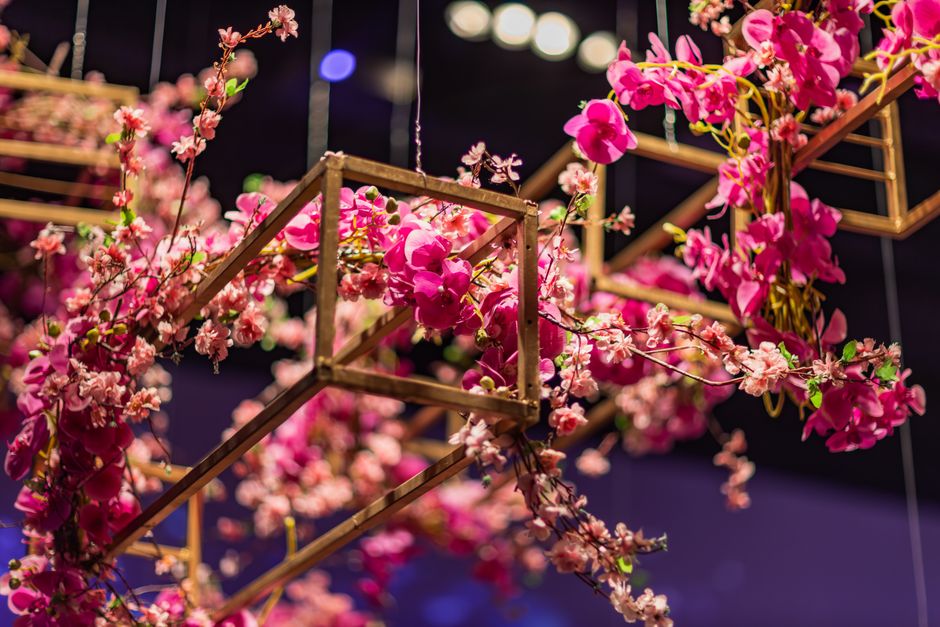
Common Mistakes to Avoid
Even strong event teams can make avoidable floral mistakes, especially when the project is large or the venue is unfamiliar. Here are the big ones.
Underestimating weight and support needs
Large arrangements can be heavier than they look once vessels, water, and mechanics are added. If the support is weak, the design becomes risky. Nobody wants a beautiful arrangement that slowly tilts like a tired shop sign.
Ignoring venue limitations
Some venues do not allow ceiling fixing, open flames nearby, messy mechanics, or deliveries through certain entrances. If the floral concept is built before these limits are checked, you may have to redesign under pressure.
Poor timing
Flowers installed too early can look tired by the event start. Flowers installed too late can clash with AV rehearsals or guest arrivals. The timing window matters more than many people expect.
Overcrowding the space
Big does not always mean better. Over-styled rooms can feel cramped, distract from the speaking programme, and reduce usable space. Large corporate events usually benefit from restraint and precision.
Forgetting maintenance
If an event lasts all day, some floral elements may need a refresh, water top-up, or removal of damaged stems. Build that into the plan rather than hoping no one notices. Guests do notice, by the way.
Skipping sign-off
Before install day, confirm colour palette, quantities, placement, and any substitutions. Floral availability can shift quickly, especially around peak seasons. Clear sign-off avoids the "that's not quite the red we meant" conversation.
Tools, Resources and Recommendations
You do not need a warehouse full of kit to execute a large corporate floral installation, but you do need the right tools and a realistic process.
Useful tools and materials
- sturdy transport crates and flower boxes
- water-safe vessels and hidden mechanics
- clamps, ties, wire, and secure fixing hardware
- clean cloths, cutters, and floral snips
- protective floor coverings for venue work areas
- portable water containers and conditioning buckets
- spare blooms and foliage for touch-ups
For product-based event styling, it can also help to reference an existing collection style before the event brief is finalised. If you need a softer luxury direction, something like luxury flowers can help you think in terms of tone and finish. For broader, mixed-event use, a more flexible option such as flowers for any occasion can be useful when planning multi-purpose corporate gifting or reception pieces.
Where corporate hospitality involves client thank-you gifts or breakout-room drops, the corporate gifting range may also be relevant. And if the event schedule is tight, a reliable delivery process matters just as much as the design itself.
Practical planning recommendations
- prepare a room-by-room or zone-by-zone floral plan
- confirm quantities with a small contingency where possible
- request a photo brief for approval before production begins
- build a backup plan for substitute flowers if seasonal stock changes
- agree clear handover times with venue and event production teams
If you want a more general sense of quality and service expectations, it can also help to review the company's guarantees and about us information before committing to a larger event brief.
Law, Compliance, Standards and Best Practice
Corporate floral installations often sit within wider event-production rules rather than one single flower-specific regulation. That means the practical focus is usually on venue policy, health and safety, access control, and any requirements around overhead work, public access, or waste removal.
In the UK, a professional team will normally work with common-sense best practice such as:
- risk assessing large or elevated installations
- checking load limits and approved fixing points where relevant
- protecting floors and walls during installation
- keeping walkways clear for guests and contractors
- managing water, sharp tools, and packaging safely
- coordinating with venue management before touching any structure
If the install involves suspended features, rigging, or overhead placement, the venue's own rules and competent production supervision become especially important. That is not the place for guesswork. Same if flowers are being used near stage electrics, cameras, or a press area. A cautious, documented approach is always better than a fast one.
For corporate clients, sustainability may also form part of the brief. The practical version of sustainability usually means reducing waste, choosing seasonal flowers where suitable, planning transport efficiently, and reusing mechanics where hygienic and appropriate. The site's sustainability information can help frame that conversation.
You may also want to check the terms and conditions, returns and refund policy, and privacy policy when organising larger bookings or corporate account arrangements. For recurring event needs, a corporate accounts arrangement can be a cleaner way to manage approvals, billing, and repeat ordering.
Options, Methods, or Comparison Table
There is no single best floral installation method for every corporate event. The right choice depends on the venue, the budget, the look you want, and the amount of time available for set-up.
| Method | Best for | Strengths | Watch-outs |
|---|---|---|---|
| Table-based styling | Dining, networking, small breakout areas | Easy to place, flexible, elegant | Can block sightlines if too tall |
| Freestanding feature pieces | Entrances, stages, brand moments | Strong visual impact, easier to position | Needs solid bases and enough floor space |
| Wall or panel installations | Photo backdrops, sponsor walls, content zones | Highly photogenic, branding-friendly | Requires secure fixing and venue approval |
| Suspended floral work | Large atriums, dramatic launches | Very striking, immersive | Most technical, needs specialist planning |
| Integrated architectural styling | Hotels, lobbies, prestige venues | Blends into the space naturally | Can take longer to design and install |
For many corporate events, a mixed method works best. A lobby entrance might use a freestanding statement piece, the stage could have lower arrangements for balance, and the dining tables might carry subtle centrepieces. That layered approach usually feels more considered than one giant floral idea repeated everywhere.
Case Study or Real-World Example
Imagine a late-afternoon product launch in a central London hotel. The venue has a strict access window, the brand wants a premium but modern feel, and the event includes a reception area, speaking stage, and content wall for photographs.
The floral team might approach it like this:
- use a restrained palette aligned to the brand colours
- build a strong entrance piece with a stable base for a visible welcome moment
- keep stage florals lower so the speakers and screen stay clear
- treat the photo wall as a separate floral feature, rather than forcing one design to do everything
- prepare touch-up stems and water on site in case the build runs long
During setup, the team checks carpet protection, confirms where the lift can and cannot be used, and adjusts the display height once the cameras are in place. A few stems are swapped out because the light near the stage is harsher than expected. Small thing, really, but it changes the whole finish.
The final result works because the installation was planned for the room, not just for the mood board. Guests enter, pause for a photo, and move on without feeling crowded. The brand looks polished, the venue remains protected, and the floral work supports the event rather than competing with it.
That is the goal. Quiet confidence.
Practical Checklist
Use this checklist before sign-off and again on install day.
- Confirm event purpose and floral objectives
- Check venue access times, lift sizes, and loading arrangements
- Review ceiling height, rigging rules, and any restrictions
- Approve colour palette, scale, and placement
- Confirm flower varieties and acceptable substitutions
- Plan delivery timing with enough buffer
- Protect floors, walls, and furniture during installation
- Prepare tools, fixings, and spare materials
- Check sightlines from guest, stage, and camera positions
- Allow time for final touch-ups before doors open
- Confirm waste removal and venue handover expectations
- Make sure everyone knows who signs off the final look
Quick reminder: a good checklist is not administrative clutter. It is what stops a floral feature from turning into a venue headache.
Conclusion
Professional floral installation methods for large corporate events are about more than making a room look attractive. They bring together design, logistics, venue awareness, and practical care so the flowers feel integrated, secure, and memorable. When done properly, the installation supports the event message, keeps production teams calm, and gives guests an experience that feels considered from the moment they walk in.
The best results come from early planning, clear sign-off, and a method that suits the venue rather than fighting it. Keep the brief focused, respect the space, and treat the flowers as part of the event structure. That approach almost always pays off.
If you are planning a large event and want the floral side handled with care, timing, and a proper eye for detail, the next step is simple.
Get a free quote today and see how much you can save.
And if you get the foundations right, the rest has a lovely habit of falling into place.
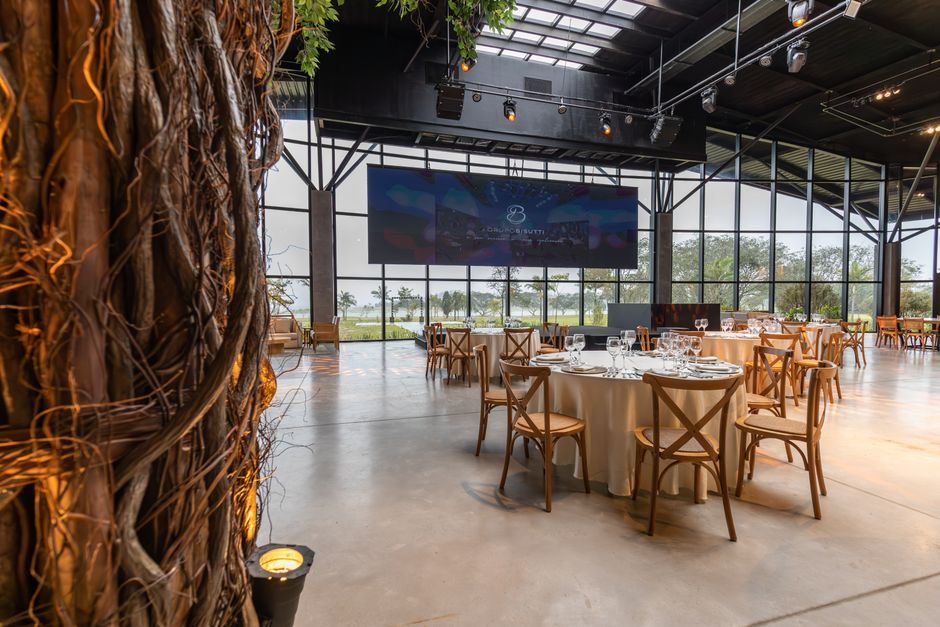
Frequently Asked Questions
What are professional floral installation methods for large corporate events?
They are the planned techniques used to design, build, transport, secure, and finish floral displays for large events such as conferences, launches, and galas. The focus is on scale, stability, timing, and presentation, not just decoration.
Why can't I just order standard flower arrangements for a corporate event?
Standard arrangements are usually designed for smaller, simpler settings. Large corporate events often need better planning around venue access, sightlines, structural support, and durability. A display that looks fine on a desk may not work in a ballroom or atrium.
How far in advance should corporate floral installations be planned?
Ideally as early as possible, especially if the design includes large structures or multiple event zones. The earlier the brief is agreed, the easier it is to confirm stock, access, timings, and any special venue requirements.
What installation method is best for a stage area?
Usually a low-profile arrangement or a carefully placed freestanding design works best, because it keeps the speaker visible and avoids blocking screens or cameras. The exact method depends on the stage layout and the event programme.
How do florists keep large installations stable?
They use proper mechanics such as weighted bases, secure fixings, frames, and carefully chosen vessels. The method depends on the design, but the key is always the same: the piece must stay safe and steady for the duration of the event.
Can floral installations be used in venues with strict rules?
Yes, but they must be planned around the venue's policies. Some venues limit overhead fixing, restrict certain materials, or require delivery during narrow time windows. A professional team will work with those rules rather than trying to push past them.
What flowers last best during long corporate events?
Hardier blooms and well-conditioned foliage tend to perform better in warm rooms and longer events. The best choice depends on the season, venue temperature, and how early the flowers need to be installed.
How do I make sure the flowers match our brand?
Share brand colours, tone of voice, event visuals, and any reference images during the briefing stage. It also helps to confirm whether the floral design should feel formal, modern, luxurious, minimal, or more expressive.
Are floral installations suitable for multi-day conferences?
Yes, but they need a method and flower selection that can hold up over time. Multi-day events may also need refreshes, top-ups, or strategic replacement of weaker stems so the display stays presentable throughout.
What's the biggest mistake people make with corporate floral installations?
Usually underestimating the technical side. People focus on the flowers and overlook access, timing, support, and venue rules. That is where problems start. A beautiful concept still needs to be practical.
Do I need a site visit before booking?
For larger or more complex events, a site visit is extremely helpful. It lets the florist assess access, height, light, and layout properly. Even when a visit is not possible, good floor plans and photographs can reduce the risk of surprises.
How do floral installations fit with corporate gifting or recurring business orders?
They can sit alongside other event or client-facing flower needs, such as gifts, reception flowers, and repeat venue styling. For companies that order regularly, a corporate account setup can simplify approvals and billing.